
PEAK STATES COACHING BY GAËTAN KLEIN
The Wall of Glass for kids & adults

15 years of clinical practice
> 3,900 clients
From Lonely, Feeling "Different" and Misunderstood
To Creating Real Connections & Improved Relationships
No more overanalysing conversations in your head, no more masking, no more social anxiety and exhaustion
The Wall of Glass

Finally understand why you feel disconnected from people — and how to generate a true feeling of connection
What is the Wall of Glass and why it makes you feel disconnected, misunderstood and separated from people
If you feel "different" and "unrecognized", find how to be authentically yourself and genuinely appreciated by people naturally
How to improve your relationships and your social life: no more masking, and no more social exhaustion & anxiety
A better intuitive understanding of body language (no more overanalysing conversations in your head)
Watch the free training that fits your situation:
The type of results we get:
They did the "Wall of Glass" process
Please select english subtitles or translated english audio
Tamara :
After recognizing Asperger-like traits in herself following her nephew’s diagnosis, Tamara realized that a lifelong sense of being “apart”—introverted, reserved, masking constantly, and living with low-level nervous-system tension—was not just hypersensitivity. During the Wall of Glass protocol she felt a “membrane” dissolve; social contact became more fluid, she regained the confidence to make YouTube videos, her heart felt more open, and she stopped scanning rooms for exits and threat. The change was gradual but life-altering: she feels less guarded, more secure, and finally connected rather than observing life from behind glass.
Mathilde :
Hearing the glass-wall description produced an immediate physical reaction—trembling and tears—before Mathilde even understood why. She had long explained her social difficulties as “surviving-twin” trauma or simple hypersensitivity, and she resisted any link to autism because she associated it with odd or severe behavior. Videos of other women made the quieter, exhausting daily reality of the condition click; she now sees that group settings overwhelm her because they demand tracking many cues at once, while one-on-one contact is more manageable. She invites other women who recognize themselves to reach out rather than keep attributing their isolation to the wrong cause.
Gisèle :
Within weeks of finishing the protocol Gisele felt she finally belonged to the world rather than standing at a distance from it; people around her noticed her communication had become softer and easier. Group settings that once left her “stuck” now feel spacious, physical touch became warmer and more direct, and even her visual sense of space gained depth. The brief strangeness of the new ease quickly became normal. Her only regret is that the work was not available earlier; she now describes the shift as moving from lifelong struggle to a stable, natural sense of proximity.
Florence :
Searching for nervous-system exercises, Florence recognized herself instantly in the testimonials and began the protocol almost on impulse. The unexplained malaise she had carried since childhood—feeling excluded, living in a bubble, constantly calculating how to behave—eased; interactions became more spontaneous, authentic, and mutually resonant, with far less mental preparation. Others now respond to her differently as well. She still finds groups tiring, but the old mask and inner commentary have quieted, and she tells anyone who hesitates to take the leap because the daily difference is worth the initial resistance.
Gwendoline :
From childhood Gwendoline felt excluded even when she was physically present—an invisible barrier that forced her to analyze every interaction instead of simply belonging. After first spending a year accepting her difference, the protocol shifted connection from exhausting mental strategy to a quieter, heartfelt sense of already being included, whether she spoke or not. The relief is not only social: she now feels part of life itself rather than standing outside it, and she urges others not to wait years before addressing the same wall.
Manuel :
Manuel had always felt he lived “in another world,” separated from people by a glass wall that never appeared with nature or animals. After the process the heaviness, scrutiny, and constant decoding of social codes lifted; conversations became more automatic, the internal “complex of difference” disappeared, and a sense of spatial openness replaced the old bubble. His circle of friends did not suddenly expand, but the inner experience of being with people changed so completely that he now encourages anyone who feels out of sync to try the same work.
Gaetano :
Tsirès :
Highest quality of service so that you feel really cared for
Pay-for-results Guarantee (unique in the field)
Trusted by Over 3,9000 Satisfied Clients over 15 years
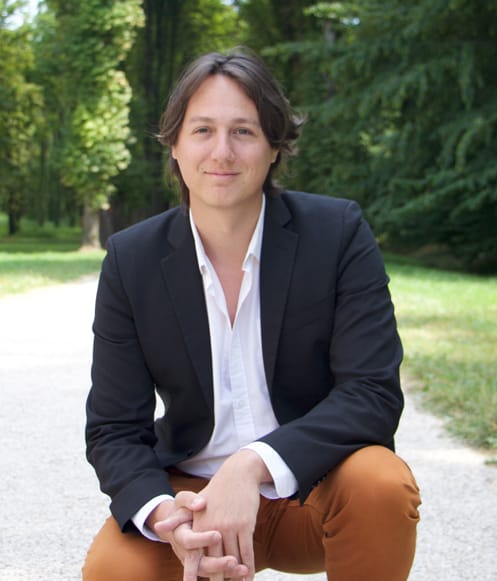
Gaëtan Klein is a Certified Peak States Therapist, Trainer & Researcher at the ISPS
Specialized in helping people within the Autism Spectrum & ADD
He has worked with over 3,900 clients over the last 15 years as a Trauma Therapist and is certified in several healing modalities such as hypnosis, NLP, EFT, and Peak States Therapy.
Most importantly, Gaëtan spent his youth feeling « different » and « separated » from others, without knowing why. Socializing felt extra difficult, and body language / second degree was a foreign language to him.
Until, at age 26, his mentor made him realize he was surrounded by a ‘wall of glass’ that blocked his emotional connection with others.
Opening Hours
9 am to 5 pm (UTC+10/AEST)
Monday to Friday


Leave your email, and we will contact you in 24 hours!
We HATE spam. Your email address is 100% secure.